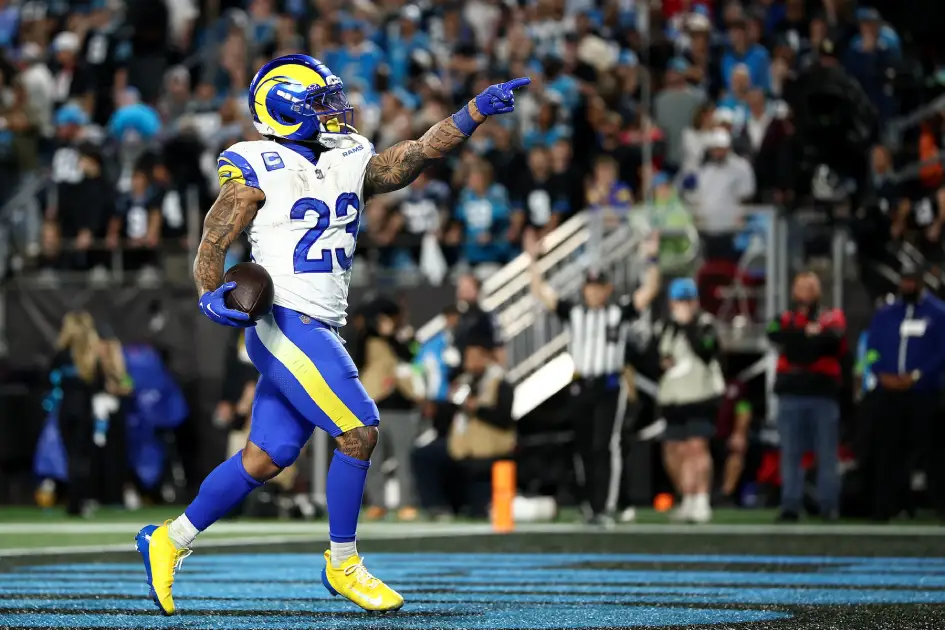
In a gripping NFC Divisional Round playoff encounter on January 18, 2026, at Soldier Field, the Los Angeles Rams defeated the Chicago Bears 20-17 in overtime, ending Chicago’s improbable postseason surge and advancing to face the Seattle Seahawks in the NFC Championship Game. The contest, played under frigid conditions with snow flurries and wind chills dipping below zero, featured dramatic swings, defensive stands, and a heartbreaking finish for the Bears, whose comeback efforts ultimately fell short despite the heroics of second-year quarterback Caleb Williams.
The game unfolded as a defensive battle early on, with both teams struggling to gain traction in the wintry weather at Soldier Field. The Rams, seeded fifth after upsetting higher-ranked opponents in prior rounds, struck first on their opening drive. Matthew Stafford orchestrated an 85-yard march, culminating in a 4-yard touchdown run by running back Kyren Williams, giving Los Angeles a 7-0 lead. Chicago responded with resilience, but early miscues—including an interception by Rams cornerback Cobie Durant on the Bears’ first possession—kept them off the board initially.
Defensive Dominance and Key Turnovers
Throughout the first half, the defenses dominated. The Bears’ unit, featuring standout performers like cornerback Jaylon Johnson and linebacker Tremaine Edmunds, limited the Rams’ explosive passing game. Stafford completed just under 50% of his passes for the game (20-of-42 for 258 yards), a rare dip for the veteran quarterback accustomed to more favorable conditions. Meanwhile, Chicago’s offense, led by Williams, faced constant pressure but showed flashes of brilliance.
The Rams extended their lead in the second quarter with a 32-yard field goal by kicker Harrison Mevis, making it 10-0 before halftime. The Bears finally got on the board late in the half with a 48-yard field goal from their kicker, cutting the deficit to 10-3. The cold weather played a factor, as both teams relied heavily on the run—Kyren Williams finished with 87 yards and two touchdowns on 21 carries, proving pivotal in controlling the clock.
The third quarter saw the Bears claw back. Williams engineered drives that showcased his dual-threat ability, though two more interceptions (one by Durant again) stalled potential scoring opportunities. The Rams answered with another touchdown run from Kyren Williams, pushing the lead to 17-10 entering the fourth. Chicago’s defense forced crucial stops, including a turnover on downs late in regulation, setting the stage for the game’s most memorable sequence.
Williams’ Miracle and the Crushing Blow
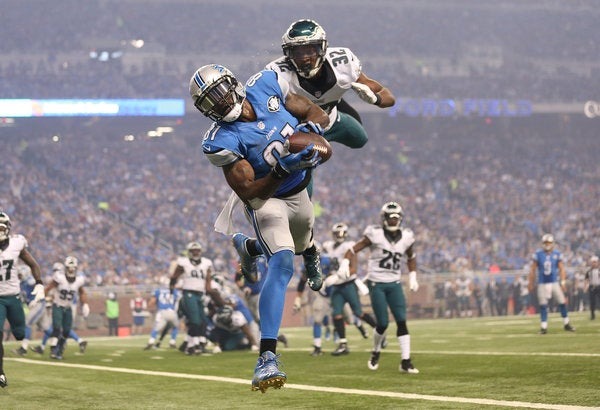
Trailing 17-10 with under a minute remaining and facing fourth-and-4 from the Rams’ 14-yard line, the Bears’ season appeared over. Williams, under heavy pressure from Rams linebackers, scrambled backward nearly 40 yards, backpedaling to the 40 before launching a fadeaway heave toward the end zone. The ball traveled over 45 yards in the air and found tight end Cole Kmet, who made the contested catch for a touchdown with just 18 seconds left. The extra point tied the score at 17-17, forcing overtime and igniting Soldier Field despite the sub-zero wind chills.
Analysts and fans alike hailed the throw as one of the most improbable in recent playoff history. “That was everything—poise, arm strength, accuracy under duress,” one NFL broadcaster noted post-game. Williams finished 23-of-42 for 257 yards, two touchdowns, and three interceptions, a stat line that captured both his brilliance and costly errors.
Overtime began with the Bears winning the coin toss but opting to kick off under playoff rules. The Rams received first and went conservative, running the ball three times before punting. Chicago took possession and moved into Rams territory, but disaster struck on a deep pass attempt to wide receiver DJ Moore. The throw sailed short, allowing Rams safety Kamren Curl to make a diving interception—the game-defining play. Curl’s pick, his second key contribution after strong coverage throughout, gave Los Angeles the ball back.
Stafford then led a methodical 10-play, 54-yard drive, connecting with receivers like Puka Nacua and Davante Adams to set up Mevis for a 42-yard field goal. Mevis, who had been steady all season, drilled it through the uprights as time expired, securing the 20-17 victory. The Rams advanced, while the Bears’ magical run—highlighted by an NFC North title and multiple late-game comebacks—came to an abrupt end.
Statistical Breakdown and Broader Impact
The game was closely contested statistically: Chicago outgained Los Angeles in total yards and held an edge in time of possession, yet turnovers proved decisive. The Rams’ defense recorded three interceptions (two by Durant, one by Curl) and multiple fourth-down stops. Williams’ performance, while marred by picks, included iconic moments that solidified his status as a rising star. He now ranks high on the Bears’ all-time playoff passing lists despite limited games.
For the Rams (advancing with a 12-5 regular-season record adjusted for playoffs), the win demonstrated championship poise under Sean McVay. Stafford’s efficiency in key moments and the ground game’s effectiveness offset a subpar passing night. Los Angeles now prepares for a rematch with Seattle, a team they split with during the regular season.
The Bears exit with optimism. Under head coach Matt Eberflus and general manager Ryan Poles, Chicago transformed from rebuild to contender in Williams’ second season. The loss stings, but the foundation is set for future success, with cap space and draft assets to bolster the roster.
Post-game reactions flooded social media, with highlights of Williams’ tying throw garnering millions of views. Rams fans celebrated the “survive and advance” mentality, while Bears supporters lamented the “what if” of overtime. This classic underscored playoff football’s brutality—one play can eclipse an entire performance.